Risk and safety
Tree Risk Assessment and Safety Concerns
Learn when a tree risk assessment may be appropriate and what signs may justify calling a qualified tree professional.
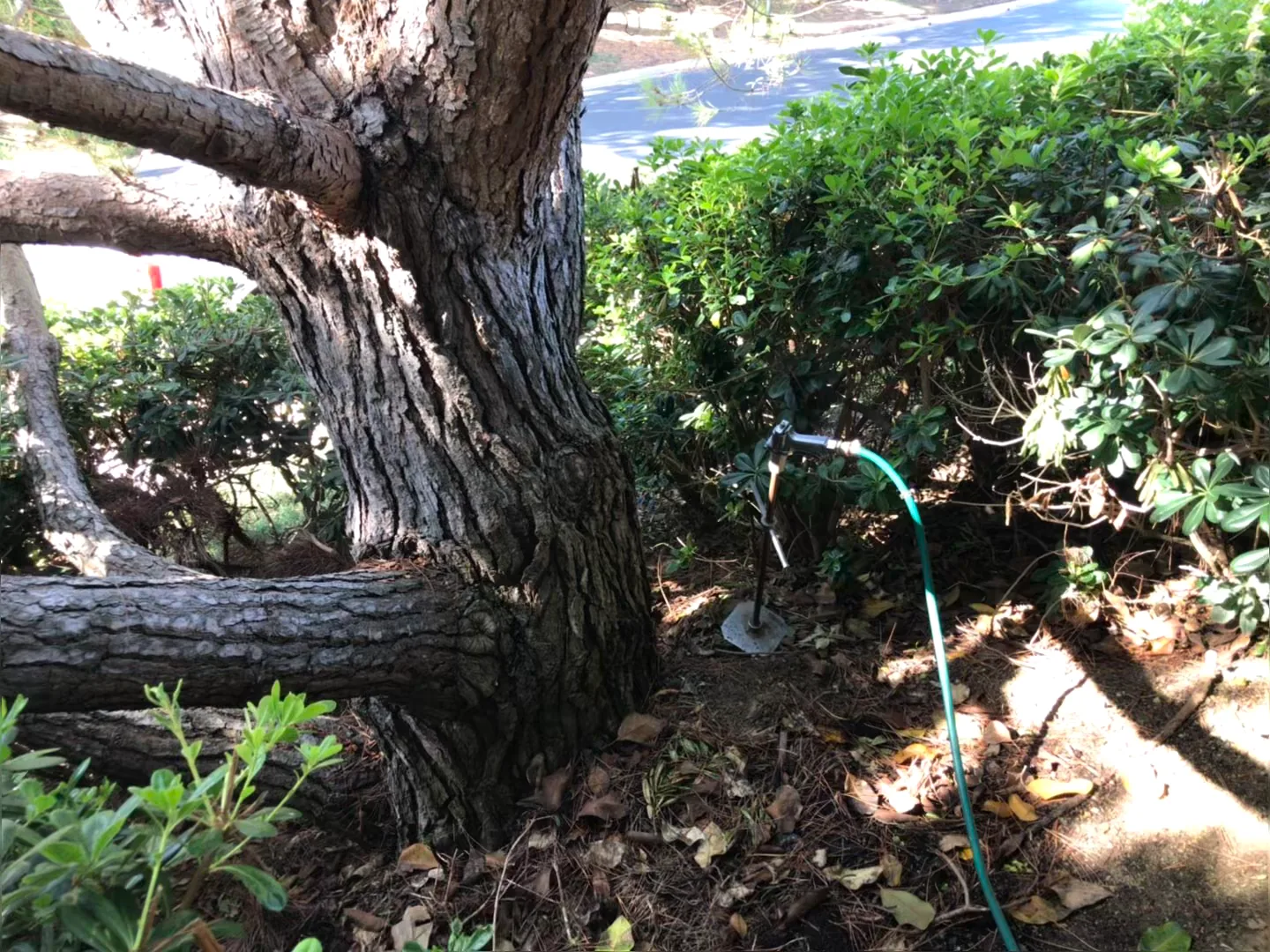
Common tree risk concerns
Common concerns include dead branches, cracks, cavities, leaning trees, root damage, soil movement, fungal growth, storm damage, and trees near homes, roads, playgrounds, parking areas, or utilities.
Why risk assessment is different from routine tree work
Risk assessment involves evaluating the likelihood and consequences of tree or branch failure. This may require specific training, documentation, and judgment beyond routine pruning or removal estimates.
When a written report may be useful
Reports may be useful for property management, insurance, real estate, legal disputes, municipal review, construction planning, or when multiple parties need a documented opinion.